

Buenos Aires, Argentina – The Argentine president announced a package of measures to penalize companies operating in the hydrocarbons sector in the Falkland/Malvinas Islands without Argentine authorization. The statement comes in the wake of US President Donald Trump’s comments regarding his neutrality in the long-standing dispute between Argentina and the United Kingdom over the archipelago.
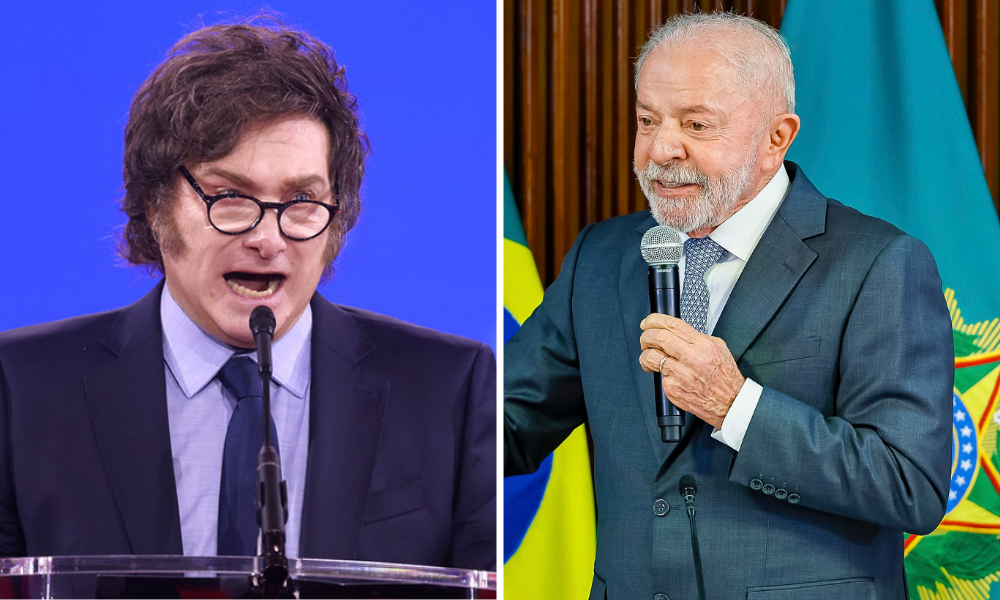
Argentina’s President, Javier Milei, has reaffirmed the country’s claim to sovereignty over the archipelago occupied by the United Kingdom. In a speech broadcast on national television, the president announced a package of measures against companies that extract oil from the islands without his government’s authorization. To this end, Milei stated that he will send a draft bill to Parliament entitled the Law on the Defense of National Sovereignty.
The president seeks to amend Law 26,659 to impose tougher sanctions on companies that extract hydrocarbons or carry out other activities related to the exploration of the islands’ natural resources. According to the Head of State, the sanctions will also extend to shareholders, CEOs and suppliers linked to operations in the sector.
“The Falkland Islands are Argentine by history and by right; there is no debate on this matter,” Milei said during his speech broadcast on national television from the Casa Rosada last Thursday.
In addition to the bill to toughen penalties, Milei signed an emergency decree to expand economic, military and telecommunications resources at a naval base located in the Argentine province of Tierra del Fuego, a facility whose construction began in 2022, during the administration of Alberto Fernández.
“The Falkland Islands, South Georgia and the South Sandwich Islands, and the corresponding maritime and insular areas, are Argentine. By history and by law,” Milei said, surrounded by members of his cabinet.
The bill also aims to have hydrocarbon companies sign sworn declarations of “sovereign compliance” to access the Regime for Large Investments (RIGI), Milei’s flagship tax incentive program meant to stimulate foreign investment.
Meanwhile, the Argentine Foreign Ministry maintains that it will initiate sanction proceedings against 45 individuals and companies for alleged breaches relating to hydrocarbon exploitation on the islands.
Whilst Milei’s announcement is expected to take effect, the opposition in Argentina is casting doubt on the transparency of the measures taken by the president, who has previously described himself as an admirer of Margaret Thatcher and is an avowed supporter of his US counterpart, Donald Trump, who last week refrained from continuing to guarantee US backing for the United Kingdom in the dispute over the Falkland Islands, due to the White House’s own interests.
During an interview with the British channel GB News, the US president pointed out that the distance between the islands and Britain is quite great and criticized the British government for failing to back Washington in the war with Iran. Consequently, he has put his historic neutrality on the dispute over the archipelago on hold.
So far, oil companies such as SLB, Halliburton and Baker Hughes have confirmed that they will not do business with the companies involved in the Sea Lion project in the Falklands, in order to respect Argentina’s sovereignty over the islands and avoid carrying out operations with the ‘Kelpers’.
Sea Lion: the project threatening Argentina’s strategic resources
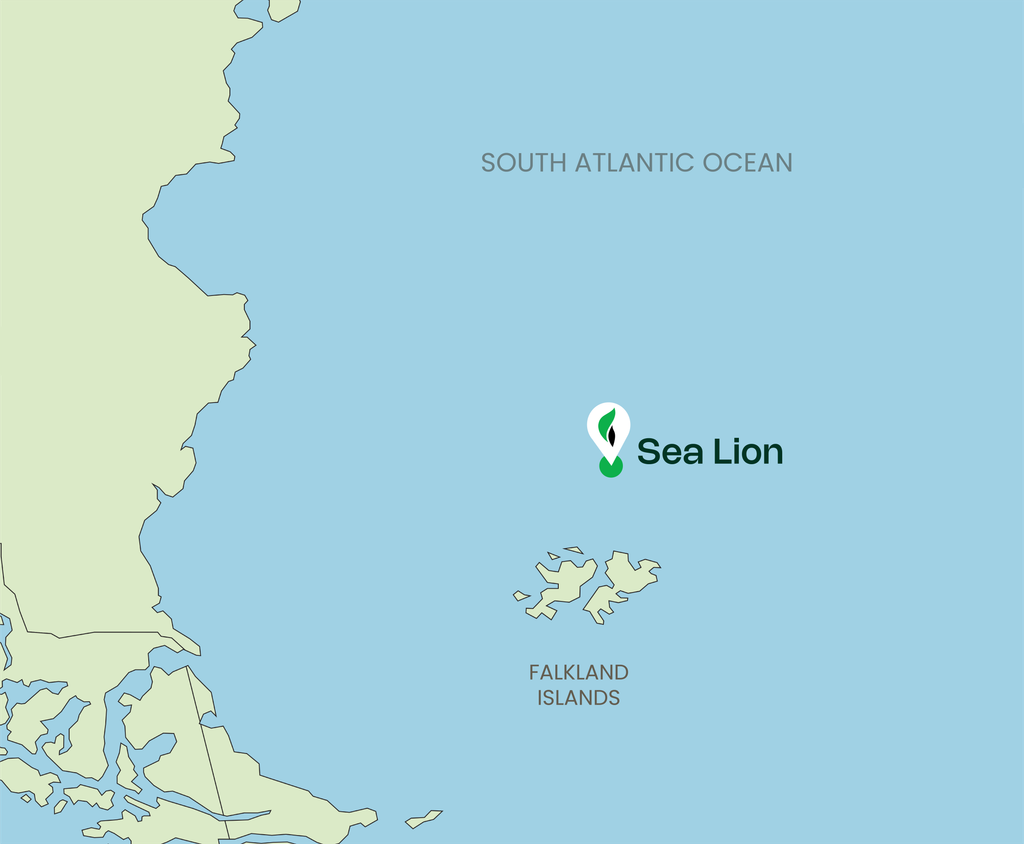
The Sea Lion oil drilling structure, located some 220 kilometres north of the Falkland Islands, is operated by Israeli company Navitas Petroleum and British firm Rockhopper Exploration. The undersea field has estimated reserves of 1,700 million barrels of oil, according to Reuters.
Milei estimated that both companies plan to begin hydrocarbon extraction work in the final months of this year. He therefore said he must act urgently to prevent the violation of Argentines’ territorial rights.
In contrast, the companies maintain that they hold valid operating licences granted by British authorities occupying the island, and that any policies adopted by the Milei government will not affect their operations.
British Foreign Secretary Ed Miliband stated that the archipelago belongs to the United Kingdom. Meanwhile, Britain’s Defense Secretary, Wes Streeting, argued that Milei’s harsher rhetoric on the Falkland Islands is due to the current state of Argentine domestic politics.
The conflict over the Falkland/Malvinas Islands
The dispute over the archipelago began on 3 January 1833, when the United Kingdom forcibly expelled the Argentines who were living in the territory. This marked the start of a colonial occupation that continues to this day.
Subsequently, on April 2, 1982, Argentina’s de facto government, which was operating under a civil-military dictatorship, declared war and sent hundreds of young people into battle without military training or sufficient military equipment to stand up to the British forces.
The conflict resulted in the deaths of 649 Argentines during the war, with hundreds more dying from physical or mental health complications upon their return from the Falklands.
The dispute is therefore being pursued through diplomatic channels between the two governments, with Argentina’s position receiving the strongest backing from 33 countries within CELAC and Mercosur, and 24 nations in the South Atlantic Zone of Peace and Cooperation.
Featured image: President Javier Milei addresses the nation regarding new sanctions on oil drilling on the Malvinas Islands.
Image credit: La Libertad Avanza via X.