

Buenos Aires, Argentina – Nicolás Andrés Pozdzik, 41, dons a brown jacket and eyeglasses that give him the distinguished look of an academic. He’s been in education for most of his professional life. As a sociologist, he’s been a school counselor, education coordinator, and since 2022, a professor of Economic History and Society and State at the University of Buenos Aires (UBA).
He’s also a ride share driver.
Making just 550,000 pesos (almost US$362) for 20 hours per week of teaching, Pozdzik was forced to moonlight as a driver to make ends meet.
In Argentina, his case has become emblematic of the current situation facing educators, and he has been profiled in some of the country’s largest media outlets.
He told Latin America Reports that his work situation is affecting his quality of life. “Instead of being able to go watch my children’s sports activities on the weekends, I have to keep working, and that’s not pleasant in emotional terms.”
In Argentina, the country’s economic woes show no signs of easing. Among the hardest-hit sectors are university professors, who earn salaries ranging from USD $400 to $800 for 20 hours of work per week, depending on their category and rank.
“It’s really a misery,” Pozdzik said, “because it is very far from the extreme poverty line.” He said that even if he worked 40 hours per week, his salary would be 1.1 million pesos (about $US725), still far short of the basic poverty line of 1,650,000 pesos (about US$1,055).
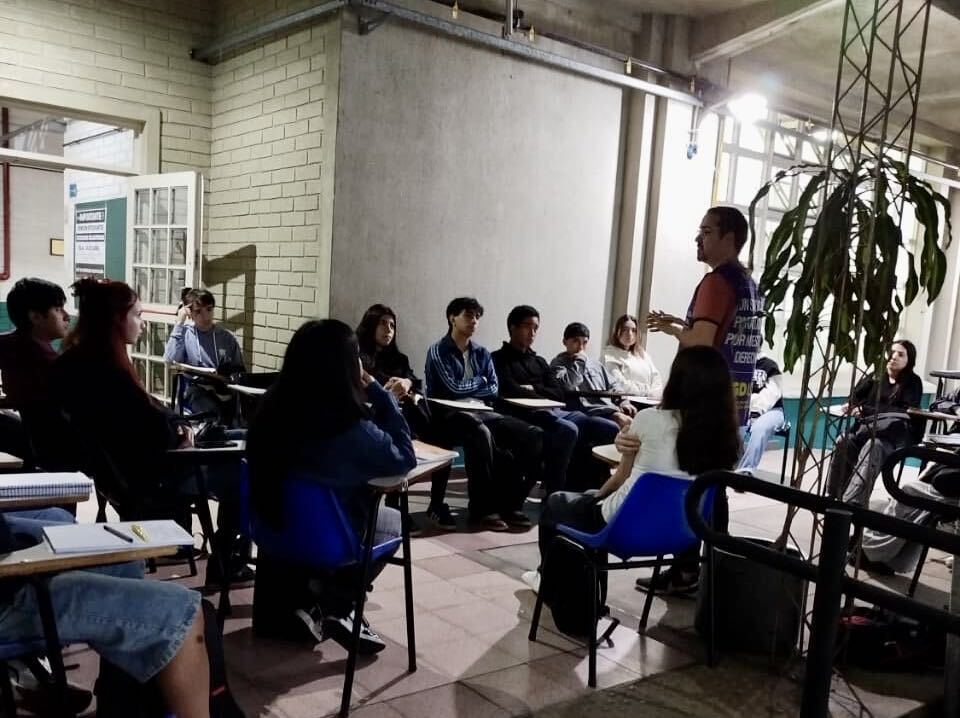
Pozdzik is not alone. Sergio Romero, head of the Argentine Teachers’ Union (UDA), told La Gaceta, “There are educators who turn to additional jobs, even as Uber and taxi drivers, to supplement their income.”
“The situation is widespread among colleagues,” Pozdzik said, “giving private lessons, attending sessions with psychologists, and so on” are some of the side gigs his colleagues take on.
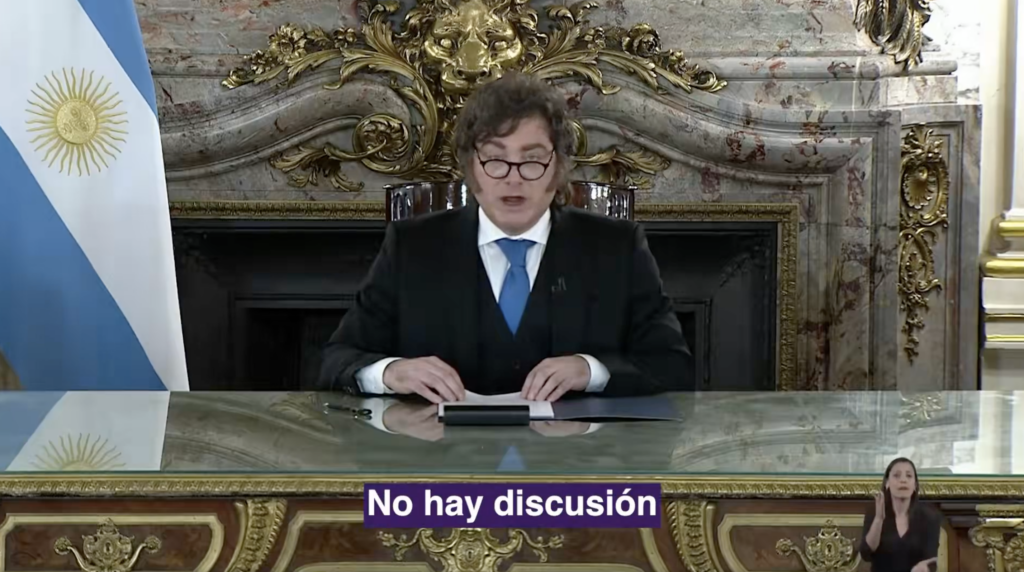
Argentina’s teachers have never had plush salaries, but in 2024, President Javier Milei, as part of his mission to slash government spending, vetoed a university financing law that would have pegged teacher salaries to inflation.
Since then, professors and students have taken to the streets periodically across Argentina to demand better pay.
On Tuesday, universities across the country held a 24-hour national strike. Meanwhile, the University of Buenos Aires (UBA) implemented a rotating work stoppage scheme that will rotate between different faculties until October 22.
Teachers got a positive sign last week when a judge ordered the government to comply with the university financing law. This marks the second time the magistrate has issued such a court order. The previous ruling, handed down in December 2025, suspended a government decree by Milei and mandated an immediate adjustment of university salaries to keep pace with inflation. However, the libertarian administration has yet to comply with the measure.
“We continue to insist that the government must comply with the University Financing Law in a democratic manner. There are already two branches of the Nation, the Legislative and the Judicial, that say it has to be complied with,” Daniel Ricci, Secretary General of the Federation of University Teachers (FEDUN), told La Gaceta.
Podzik, for one, says he’s not giving up.
“It is clear that there is an ideological attack on science, technology, and education here, because this is observed not only in universities but with everything related to the system. And we are willing to keep fighting it.”
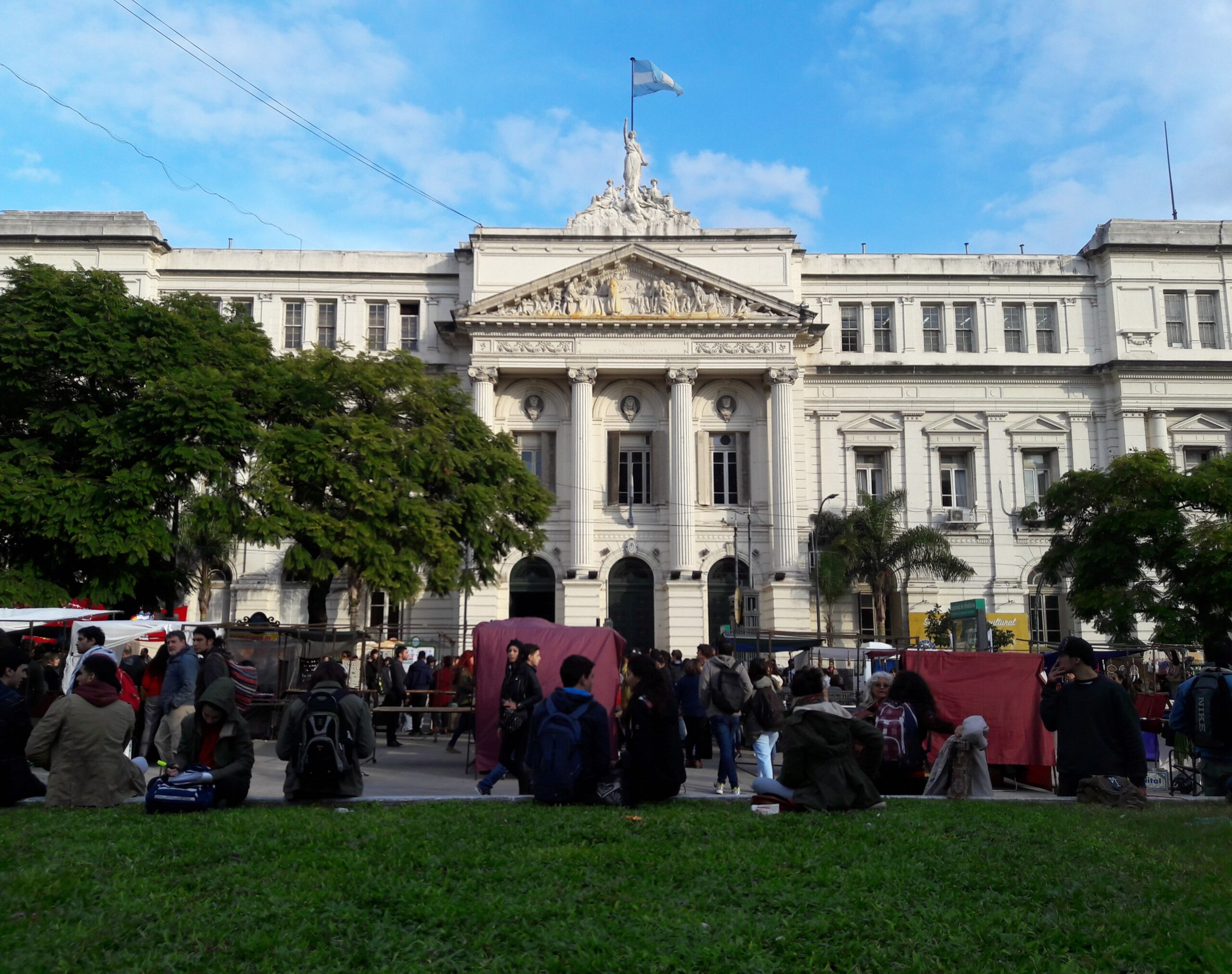
Featured image description: The Faculty of Economic Sciences at the University of Buenos Aires.
Featured image credit: JonySniuk via Wikimedia Commons.